Breathing is one of the most essential aspects of life. It's the very first thing we do when we are born and the very last thing we do before we die. But how often do we think about our breath in our day-to-day lives? For most of us, breathing is an involuntary action that we take for granted. However, in the practice of yoga, the breath is given the utmost importance. Pranayama, or breath control, is an integral part of yoga that can unlock a multitude of physical, mental, and emotional benefits.
Introduction
In this article, we will explore the power of pranayama and how it can improve your overall well-being. We will delve into the different types of pranayama and their benefits, how to practice pranayama, and answer some frequently asked questions about this powerful practice.
What is Pranayama?
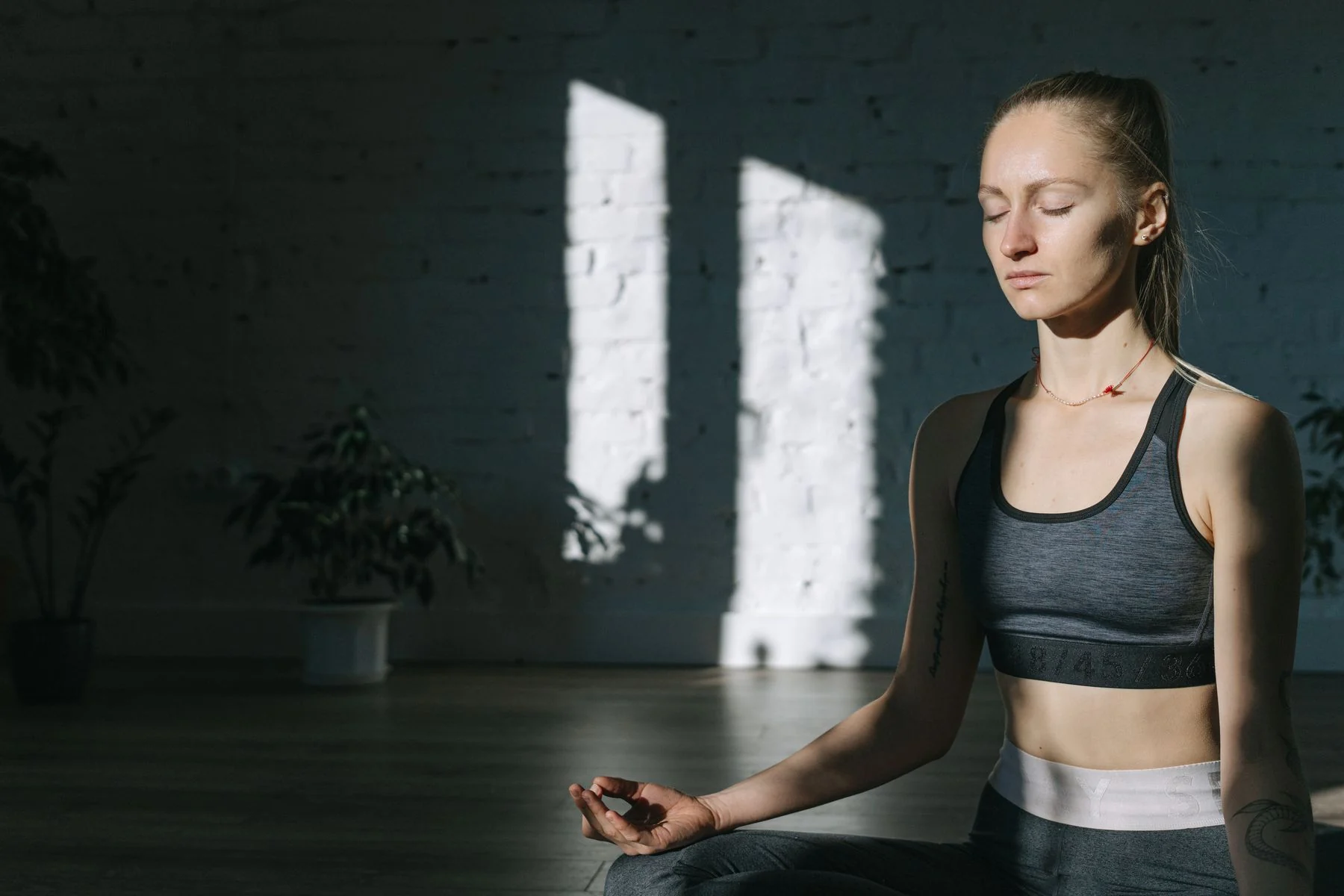
Pranayama is an essential aspect of the yogic tradition that has gained worldwide recognition due to its numerous benefits. The practice involves the conscious regulation of breathing to enhance physical, mental, and emotional well-being. In simple terms, pranayama is a technique of controlling the breath that can help individuals regulate their energy and achieve a state of balance and relaxation.
In the yogic tradition, it is believed that the breath carries the life force, which is called prana. Prana is the vital energy that sustains all living beings and is responsible for maintaining good health. Pranayama helps individuals regulate and control the prana through the breath, thus promoting physical, mental, and emotional health.
There are numerous techniques of pranayama, and each technique has its unique benefits. Some of the most common techniques include Kapalbhati, Anulom Vilom, Bhastrika, and Ujjayi. Kapalbhati is a technique that involves rapid exhalation to remove impurities from the body. Anulom Vilom is a technique of alternate nostril breathing that helps balance the flow of energy in the body. Bhastrika is a technique that involves rapid inhalation and exhalation to increase the flow of oxygen in the body. Ujjayi is a technique that involves breathing through the nose with a slight constriction in the throat, which creates a hissing sound and promotes relaxation.
Pranayama is not only beneficial for physical health but also for mental and emotional health. It can help individuals manage stress, anxiety, and depression. The practice can also improve cognitive function and increase concentration and focus. Regular practice of pranayama can help individuals achieve a state of balance and calmness, leading to an overall sense of well-being.
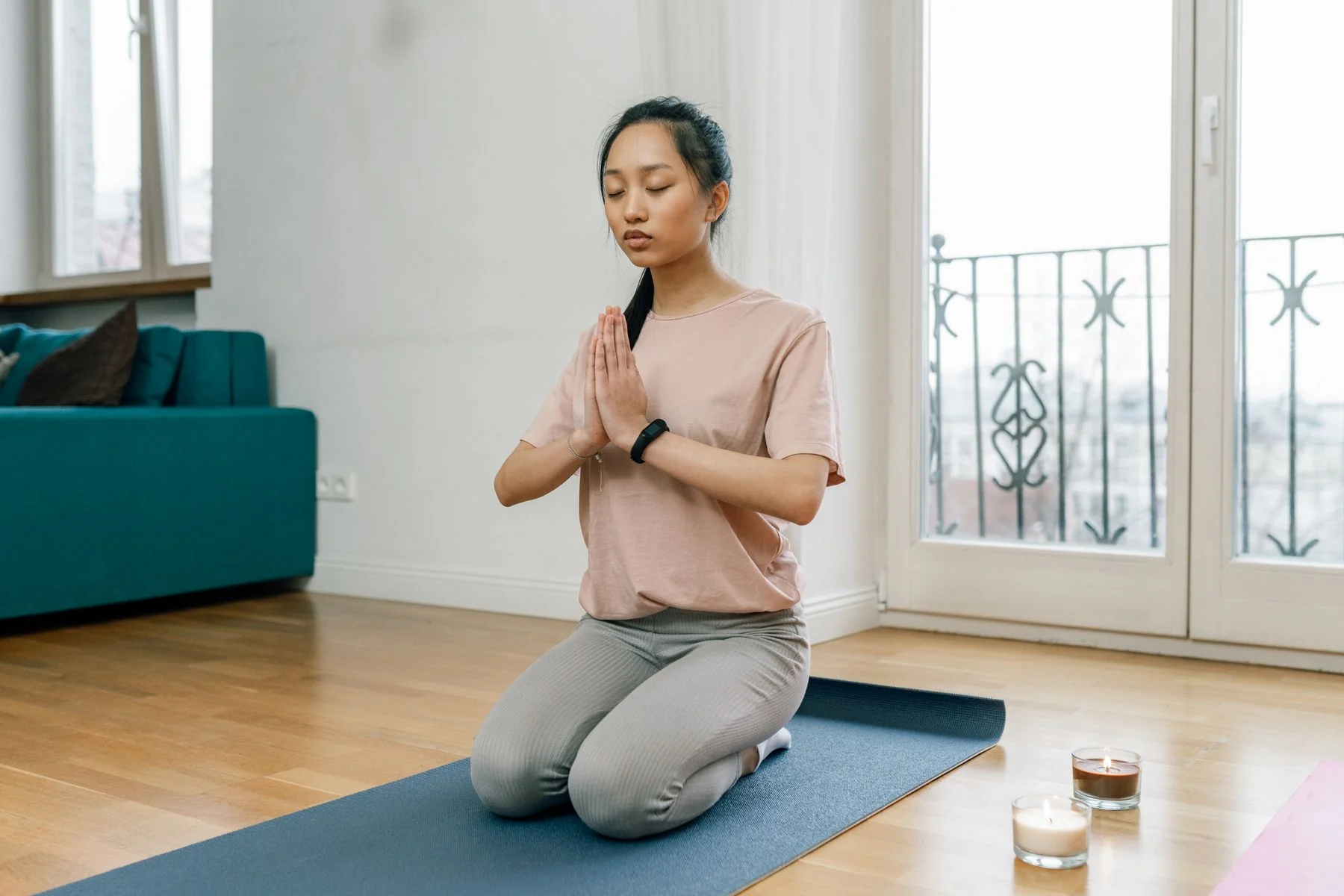
Breathing is the foundation of life. It's a vital process that ensures the body gets the oxygen it needs to survive. However, the way we breathe can have a significant impact on our physical, mental, and emotional health. Pranayama is a practice that involves controlling the breath in order to achieve various benefits. Here are just a few of the benefits of practicing pranayama:
1. Improves Respiratory Function
Pranayama has been proven to improve respiratory function. It can help increase lung capacity, improve oxygenation, and decrease respiratory rate. This makes pranayama an excellent practice for individuals with respiratory issues such as asthma, COPD, or allergies.
2. Reduces Stress and Anxiety
Pranayama has a calming effect on the nervous system and can help reduce stress and anxiety. The practice can help regulate the autonomic nervous system, which controls the body's stress response. It can also help decrease cortisol levels, which are elevated in times of stress.
3. Increases Energy Levels
Pranayama can help increase energy levels by improving oxygenation and circulation. It can also help regulate the body's energy channels, known as nadis, which can improve overall energy flow.
4. Improves Digestive Function
Pranayama can help improve digestive function by massaging the internal organs and stimulating the digestive system. It can also help regulate the parasympathetic nervous system, which controls the body's rest and digest response.
5. Boosts Immune Function
Pranayama can help boost immune function by improving oxygenation and circulation. It can also help regulate the body's energy channels, which can improve overall energy flow and immune function.
6. Enhances Mental Clarity
Pranayama can help enhance mental clarity by calming the mind and improving focus. The practice can also help regulate the nervous system, which can improve overall cognitive function.
How to Incorporate Pranayama into Your Yoga Practice
If you're new to pranayama, it's important to start slowly and gradually build up your practice. Here are some tips for incorporating pranayama into your yoga practice.
-
Calms the mind and reduces stress levels:
One of the most well-known benefits of pranayama is its ability to calm the mind and reduce stress levels. This is due to the deep breathing techniques used in pranayama which increase the amount of oxygen in the body and reduce the levels of cortisol, a stress hormone. This can lead to a sense of calm and relaxation, making pranayama an excellent tool for managing anxiety and stress.
-
Increases lung capacity and improves respiratory health:
Pranayama also has a positive impact on respiratory health. The deep breathing techniques involved in pranayama exercises can increase lung capacity, leading to improved breathing and better oxygenation of the body's tissues and organs. This can be especially beneficial for those who suffer from asthma, COPD, or other respiratory conditions.
-
Boosts immunity:
Pranayama has been shown to have a positive impact on the immune system. The increased oxygenation of the body's tissues and organs can help to improve the function of the immune system, making the body more resilient to infection and disease.
-
Improves digestion:
Pranayama exercises can also help to improve digestion. The deep breathing techniques used in pranayama can stimulate the digestive system and improve the circulation of blood and nutrients to the digestive organs. This can lead to improved digestion and a reduction in digestive issues such as bloating, constipation, and indigestion.
-
Increases focus and concentration:
Pranayama exercises can also help to improve focus and concentration. The deep breathing techniques used in pranayama can help to calm the mind and improve mental clarity, making it easier to focus and concentrate on tasks.
-
Promotes overall well-being:
Finally, pranayama can promote overall well-being. The deep breathing techniques used in pranayama can help to increase feelings of relaxation and calm, reduce stress levels, and improve mood. This can lead to an overall sense of well-being and improved quality of life.
The Different Types of Pranayama
There are several different types of pranayama, each with its unique benefits. Here are some of the most common types of pranayama:
1. Ujjayi Pranayama
Ujjayi pranayama is a type of pranayama that involves breathing through the nose while constricting the back of the throat. This creates a hissing sound and can help calm the mind and reduce stress.
2. Kapalbhati Pranayama
Kapalbhati pranayama is a type of pranayama that involves forceful exhalations
Apologies for the error. Here's the continuation of the article:
while keeping the inhalations passive. This type of pranayama can help improve digestion and increase energy levels.
3. Bhastrika Pranayama
Bhastrika pranayama is a type of pranayama that involves rapid, forceful breathing through the nose. This type of pranayama can help improve respiratory function and increase energy levels.
4. Nadi Shodhana Pranayama
Nadi Shodhana pranayama, also known as alternate nostril breathing, is a type of pranayama that involves breathing through alternate nostrils. This type of pranayama can help balance the left and right sides of the brain and improve overall mental clarity.
How to Practice Pranayama
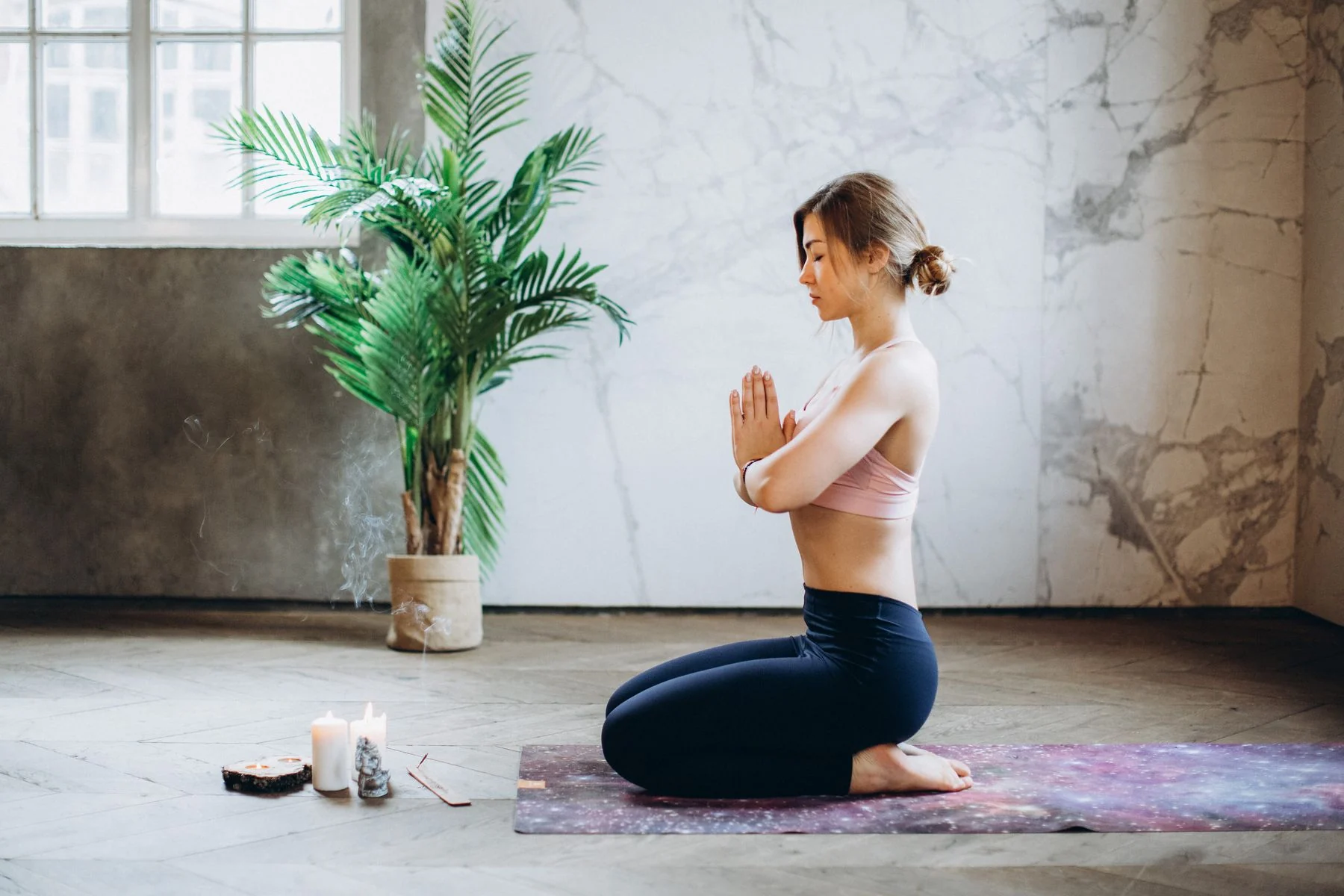
Pranayama should be practiced under the guidance of a trained yoga teacher. It is important to start slowly and gradually build up to more advanced techniques. Here are some tips for practicing pranayama:
1. Find a quiet and comfortable place to practice.
2. Sit in a comfortable seated position with your spine straight.
3. Begin by taking a few deep breaths to relax your body and calm your mind.
4. Start with a simple pranayama technique such as deep breathing or ujjayi pranayama.
5. Focus on the breath and try to maintain a steady rhythm.
6. Gradually build up to more advanced techniques under the guidance of a trained yoga teacher.
FAQs About Pranayama
1. Is pranayama safe for everyone?
Pranayama can be safe for most people when practiced under the guidance of a trained yoga teacher. However, individuals with respiratory issues or other medical conditions should consult with a healthcare professional before practicing pranayama.
2. Can pranayama help with anxiety and depression?
Yes, pranayama can help reduce stress and anxiety and improve overall mental health. However, individuals with anxiety or depression should consult with a healthcare professional before practicing pranayama as a form of treatment.
3. Can pranayama be practiced by pregnant women?
Yes, pranayama can be practiced by pregnant women under the guidance of a trained yoga teacher. However, it is important to avoid certain pranayama techniques such as breath retention or forceful exhalations.
4. How often should I practice pranayama?
It is recommended to practice pranayama for at least 5-10 minutes every day to experience the benefits.
5. Can pranayama improve athletic performance?
Yes, pranayama can help improve athletic performance by improving oxygenation and circulation.
6. How long does it take to experience the benefits of pranayama?
The benefits of pranayama can be experienced immediately after practicing. However, regular practice over time can lead to more long-term benefits.
Conclusion
In conclusion, pranayama is a powerful practice that offers numerous benefits for physical, mental, and emotional health. It is an integral part of yoga and can be practiced by individuals of all ages and fitness levels. By practicing pranayama regularly, you can unlock the power of your breath and experience a greater sense of overall well-being.
The Power of Pranayama: Unlocking the Benefits of Breathing Techniques in Yoga can be truly transformative. So why not give it a try and see how it can benefit your life? Remember to always practice under the guidance of a trained yoga teacher and listen to your body. Namaste.